
ABA in educational settings
Therapists and BCBAs support goals that matter at school: following routines, engaging in instruction, communicating needs, and participating with peers.
Supporting student success through evidence-based behavioral, communication, social, and academic interventions in educational environments.
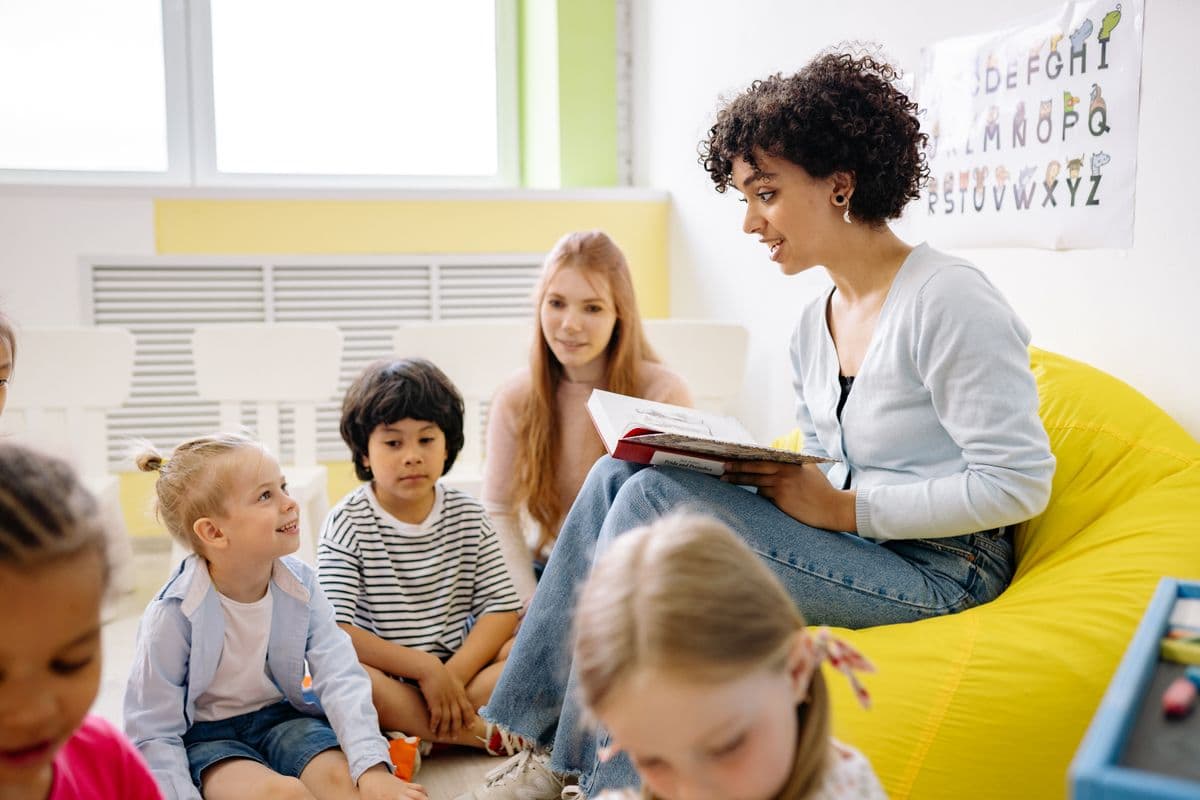
School-based ABA therapy brings applied behavior analysis into educational settings to help students participate, learn, communicate, and regulate behavior in real classrooms—not only in clinics or at home.
Therapists and BCBAs support goals that matter at school: following routines, engaging in instruction, communicating needs, and participating with peers.
Interventions align with classroom demands such as transitions, group work, independent tasks, and safe behavior during instruction.
With family consent, Eden coordinates with teachers, special educators, and related service providers to align strategies across the school day.
School-based ABA can support IEP objectives related to communication, behavior, social participation, and adaptive skills when clinically appropriate.
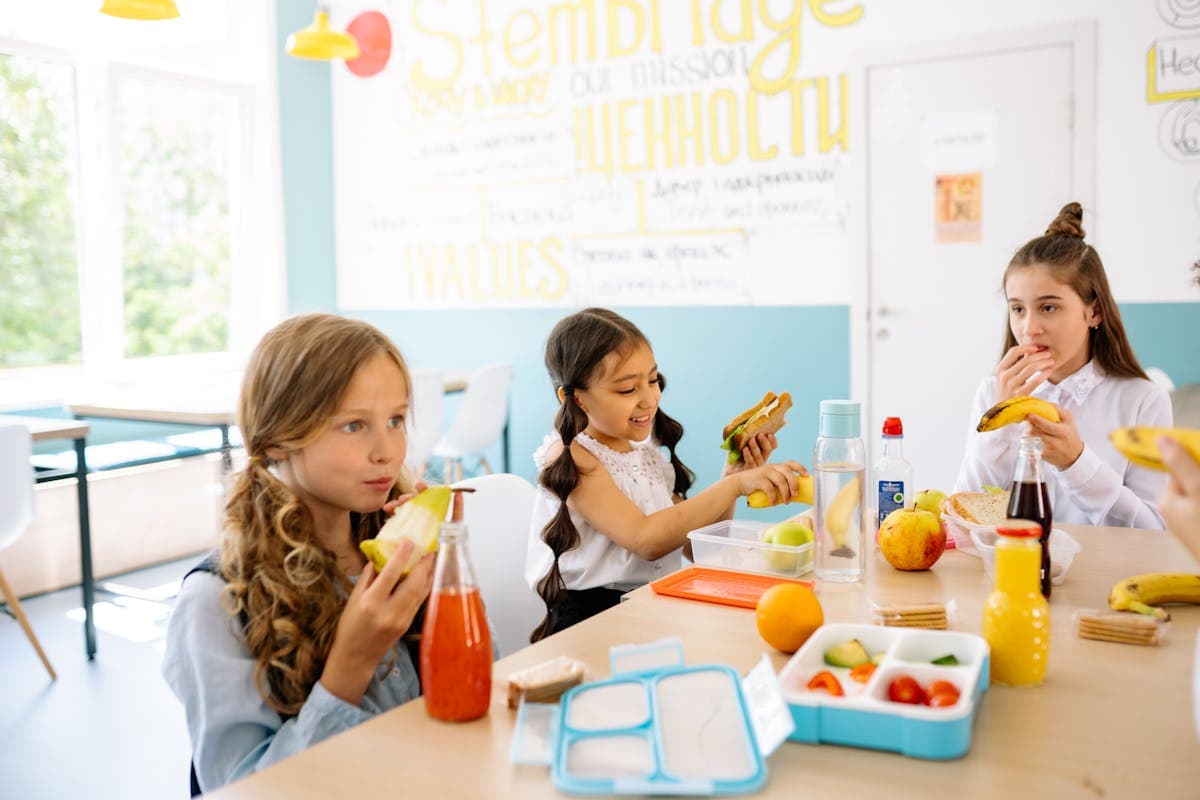
Skills are practiced where they are needed—cafeteria, playground, specials, and general education or specialized classrooms.
Progress is tracked in school contexts so teams can refine supports based on what works in live learning environments.
School-based ABA may help students who need targeted support in one or more of these areas. Click a card to learn more.
A collaborative process that connects families, schools, and Eden's clinical team from referral through ongoing review.
A family, school, or physician identifies a need for school-based behavioral or communication support.
The team reviews IEP documents, evaluations, behavior plans, and relevant educational records.
Eden coordinates with administrators and school staff to understand settings, schedules, and priorities.
BCBAs observe the student in classroom and non-classroom contexts to identify strengths and support needs.
Measurable goals are written to support educational participation, communication, behavior, and independence.
Strategies, prompting plans, reinforcement systems, and data methods are defined for school implementation.
RBTs and team members collect session data on skill acquisition and behavior patterns during the school day.
Data trends are reviewed to determine whether supports are effective in live classroom environments.
BCBAs meet with teachers and families to adjust strategies and align across home and school.
Goals, intensity, and placement are revisited as the student's needs and educational program evolve.
School-based ABA at Eden is designed to support meaningful participation—not isolated drill work disconnected from the classroom.
Eden helps families understand how ABA strategies can align with IEP objectives related to communication, behavior, social skills, and adaptive functioning—without replacing the school's IEP process.
School-based supports often align with tiered models used in education—from universal strategies to intensive individualized intervention.
Classroom-wide expectations, visual schedules, predictable routines, and positive reinforcement systems that benefit all learners.
Small-group skill practice, check-in systems, social skills groups, and targeted prompting for students needing more structure.
Individualized ABA intervention, behavior support plans, 1:1 skill teaching, and BCBA-led programming for students with significant needs.
Meaningful school-based ABA connects the people who support a student every day.
BCBA
Assessment, supervision, treatment planning, and team training.
RBT
Direct implementation, data collection, and skill practice in school settings.
Teachers
Classroom instruction, routines, and daily implementation of strategies.
Special Educators
IEP services, specialized instruction, and coordinated supports.
Speech Therapists
Communication goals and AAC collaboration when appropriate.
Occupational Therapists
Sensory, fine motor, and daily living skill coordination.
School Psychologists
Evaluation input, behavior consultation, and team planning.
Parents/Caregivers
Consent, priorities, home-school consistency, and progress partnership.
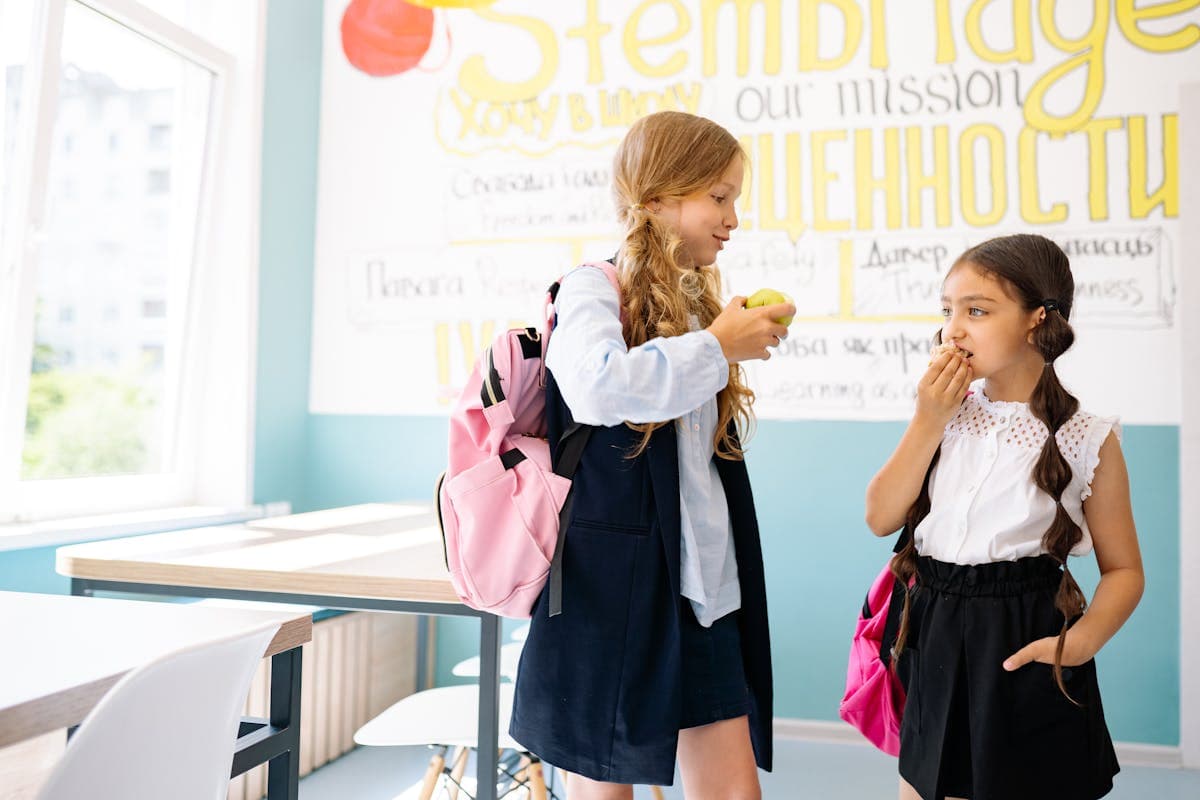
School-based ABA relies on objective measurement so teams can see what is working in real educational contexts.
Frequency, duration, or interval data on target behaviors during instruction and transitions.
Sample progress indicator — illustrative only
Percent correct, trials to mastery, and independence levels on IEP-aligned skills.
Sample progress indicator — illustrative only
Step-by-step data on communication, social, and adaptive goals taught in classroom routines.
Sample progress indicator — illustrative only
Structured observation notes across settings such as cafeteria, playground, and specials.
Sample progress indicator — illustrative only
Family-friendly summaries connecting data trends to next steps and team recommendations.
Sample progress indicator — illustrative only
Students make the strongest gains when families and schools use consistent strategies across settings.
Home-school consistency
Shared prompts, reinforcement, and routines help skills transfer between home and school.
Parent communication
Regular updates keep caregivers informed about progress, challenges, and team recommendations.
Generalization of skills
Families practice school goals during homework, meals, and community outings when appropriate.
Training opportunities
Caregiver coaching helps parents understand school behavior plans and communication strategies.
Progress updates
Data summaries and team meetings support informed decision-making about services and goals.
Search school-related guides and Eden resources.
Placeholder metrics illustrate the types of school-based progress Eden monitors with families and educational teams.
0%
Student engagement
Increased participation during structured instruction
0%
Goal achievement
Skills meeting mastery criteria in school settings
0%
Classroom participation
Improved group and independent task engagement
0%
Communication growth
Functional communication during school routines
0%
Social development
Peer interaction and group skill progress
Eden partners with families and educational teams to support meaningful student growth, participation, and independence.